How Drones Are Transforming Housing Association Operations

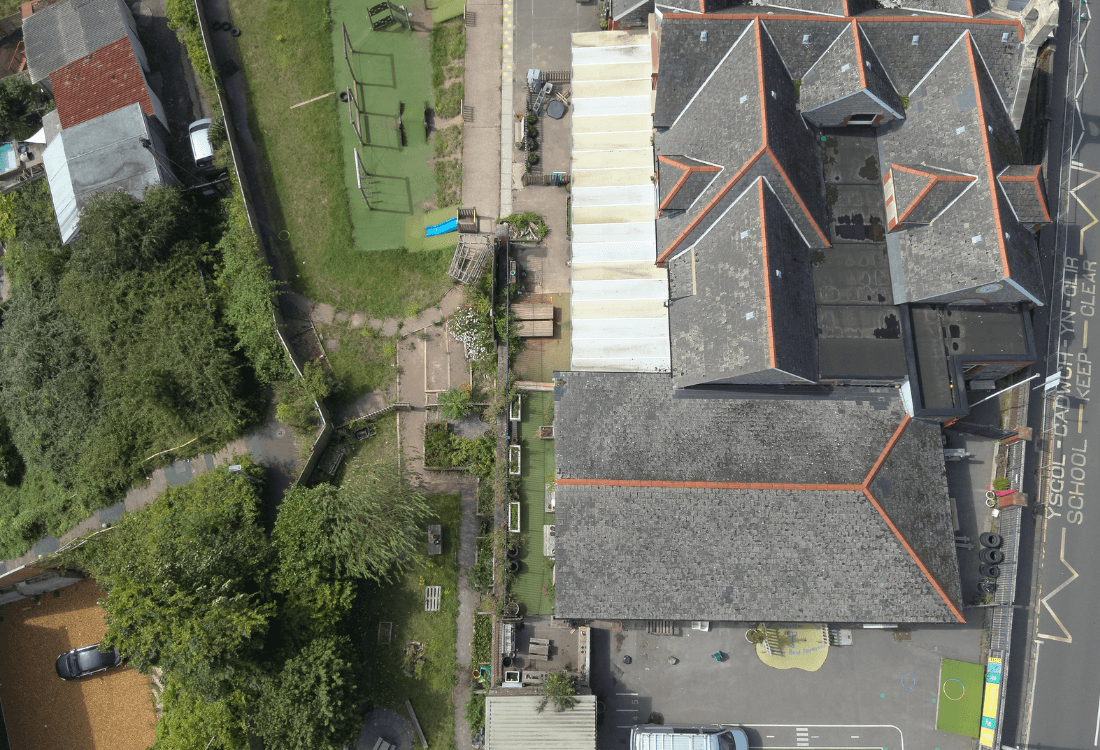
A drone carrying out a roof inspection for a housing association inspection.

Housing associations are an incredibly valuable tool for providing low cost and affordable homes for people in most need of a home, including young families, the elderly and people with disabilities. They currently provide housing support for about six million people in the UK, meaning housing associations either own or run a vast number of physical properties, all of which need regular maintenance and inspection.

It’s also the case that housing associations are almost always operating on very tight margins, trying to provide the largest amount of good quality housing on the smallest possible budget. All of which means that drone inspection services can offer a cost- and time-effective solution to their extensive property management requirements.

Below we’ll take a closer look at exactly what a drone inspection is and examine how this technology is helping housing associations to offer a larger number of better maintained homes to those that need them the most.


What Is A Drone Inspection?

A drone inspection is one that uses unmanned aerial vehicles (UAV) equipped with sensors and cameras to capture data that assesses the condition of physical structures and other assets. It can be used to evaluate existing conditions and detect issues, as well as ensuring the safety of all operatives and the wider general public. Drone inspections bring with them a number of key benefits, including:


Cost-Effective Inspections

Perhaps the most significant advantage of drone roof inspections is the vastly reduced cost. Without the need for expensive scaffolding or mobile work platforms, and with a much lesser need for manual labour, there is potential for major cost savings which can then be relocated to other areas of the housing association. The more difficult the roof access, the greater the savings can be. So, for associations with larger properties or those with restricted roof access, drone inspections make even more financial sense.


Enhanced Safety Measures

Ensuring the safety of all employees, tenants and the general public is paramount to any kind of work carried out during the inspection process. By using drones, you will not be exposing people to dangerous or hazardous situations, such as ladders, scaffolding or even rope and harness work. Drones even allow inspection access to deteriorating roof structures and high rises, all of which helps to keep the risk of workplace accidents and injury to a minimum.


Improved Building Safety Compliance

Regulatory compliance is a critical aspect of management for housing associations. In particular, multi-occupancy buildings are subject to frequent safety inspections in order to meet standards. Drones provide unparalleled capabilities to capture data in these types of buildings regardless of their sizes and heights, inspecting features such as escape routes and other critical safety aspects. By facilitating comprehensive safety inspections and ensuring adherence to building safety regulations, drones can help associations to remain fully compliant at all times.


Accelerated Maintenance and Repairs

Drones can quickly assess property conditions, enabling housing associations to speed up the maintenance and repair processes. They also allow maintenance teams to identify and prioritise urgent repairs, while reducing downtime and improving the overall tenant experience. Drone data can also help to develop a more cost-effective predictive maintenance schedule.


Comprehensive Documentation

Drones empower housing associations to proactively manage their property portfolios by providing high-resolution imagery and video footage. This comprehensive data not only tracks wear and tear but also aids in demonstrating regulatory compliance. More importantly, it facilitates forward planning for building maintenance, allowing associations to develop predictive maintenance schedules that optimise resource allocation and minimise unexpected repairs.

Faster Emergency Response

In the event of an emergency, drones can play a major role in assessing damage and planning the recovery process. Traditional assessments may take days or even weeks but drones can be in the air in the immediate aftermath of any event, providing detailed aerial views of any damage.
Discover more on the different uses of drones across various industries by getting in touch with our experienced team here at Drone Evolution today by clicking here.